- English
- French
- German
- Portuguese
- Spanish
- Russian
- Japanese
- Korean
- Arabic
- Greek
- German
- Turkish
- Italian
- Danish
- Romanian
- Indonesian
- Czech
- Afrikaans
- Swedish
- Polish
- Basque
- Catalan
- Esperanto
- Hindi
- Lao
- Albanian
- Amharic
- Armenian
- Azerbaijani
- Belarusian
- Bengali
- Bosnian
- Bulgarian
- Cebuano
- Chichewa
- Corsican
- Croatian
- Dutch
- Estonian
- Filipino
- Finnish
- Frisian
- Galician
- Georgian
- Gujarati
- Haitian
- Hausa
- Hawaiian
- Hebrew
- Hmong
- Hungarian
- Icelandic
- Igbo
- Javanese
- Kannada
- Kazakh
- Khmer
- Kurdish
- Kyrgyz
- Latin
- Latvian
- Lithuanian
- Luxembou..
- Macedonian
- Malagasy
- Malay
- Malayalam
- Maltese
- Maori
- Marathi
- Mongolian
- Burmese
- Nepali
- Norwegian
- Pashto
- Persian
- Punjabi
- Serbian
- Sesotho
- Sinhala
- Slovak
- Slovenian
- Somali
- Samoan
- Scots Gaelic
- Shona
- Sindhi
- Sundanese
- Swahili
- Tajik
- Tamil
- Telugu
- Thai
- Ukrainian
- Urdu
- Uzbek
- Vietnamese
- Welsh
- Xhosa
- Yiddish
- Yoruba
- Zulu
How RFID Paper Tickets Make Theme Parks Greener?
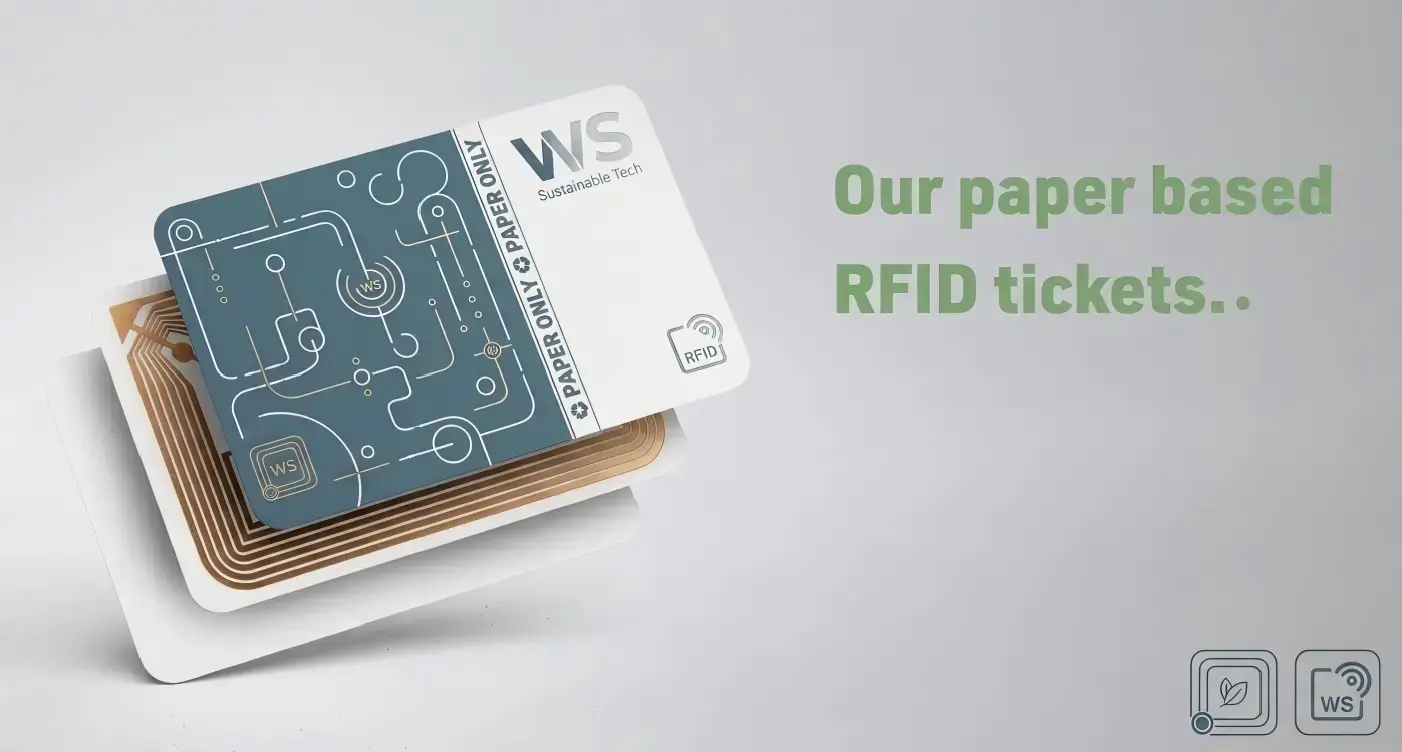
Theme parks are seeking better methods to handle the millions of visitors they get each year while lowering their environmental effect. Paper RFID tickets provide a novel method to combine modern contactless technology with ecological materials. These environment-friendly tickets include RFID chips embedded in biodegradable substrates made of recycled fibres, unlike typical plastic cards that take decades to degrade. They provide the same speedy access control – processing entries in less than 300ms – but with a huge reduction in plastic waste. Parks can print personalised graphics, QR codes and logos directly on waterproof paper surfaces that remain durable in all weather without compromising performance or visitor experience.
Understanding RFID Paper Tickets and Their Environmental Impact
What Makes Paper-Based RFID Technology Sustainable
RFID chips are built into modern ticket systems into special paper layers made from 150gsm to 300gsm recycled cardboard. The substrate is both long-lasting and good for the earth because it breaks down naturally after being thrown away instead of staying in dumps for decades. These paper RFID tickets work at 13.56MHz (HF) or UHF frequencies and support ISO/IEC 14443 and EPC Gen2 protocols, so they can be used with all gate readers and turnstiles that are already in use.
Water-based inks and adhesives that meet RoHS and REACH compliance standards are used in the manufacturing process. Achieving 100% chip functionality rates while lowering material waste is possible in production plants with automatic bonding lines that use less energy. Each ticket stays fully functional for two to five years when stored in a normal way. This gives procurement teams confidence in managing long-term inventory.
Comparing Carbon Footprints: Paper vs. Plastic Tickets
Lifecycle analyses show that paper RFID tickets produce 60–70% less carbon emissions than smart cards made of PVC. To make plastic, you need polymers that come from fuel and molding methods that use a lot of energy. Getting rid of plastic cards adds to the damage they do to the environment because they often break down into tiny pieces called microplastics that pollute the soil and water.
These worries are taken care of by paper RFID tickets, which naturally break down and can be recycled. The metal or copper antenna and silicon chip need to be separated when they are recycled, but they still have a much smaller impact on the environment than plastic options. When parks switch to paper-based systems, they report a clear drop in the amount of trash they produce. This is in line with both European and North American regulatory requirements and business sustainable goals.
Green Manufacturing Practices in RFID Production
Closed-loop water systems and green energy sources are used by top producers to power production lines. WS-RFID Technology runs a 10,000㎡ ISO 9001-certified factory that can make 500 million pieces a year while following strict rules for the environment. Automated quality checking systems, such as Voyantic Tagformance testing, make sure that deliveries have no problems and that trial runs don't use too much material.
Suppliers that care about the environment put an emphasis on FSC-certified paper sources and plant-based coatings that make prints clearer without adding chemicals. Procurement managers who have to meet ESG (Environmental, Social, and Governance) standards like these practices. When you choose vendors with verified eco-certifications, you get proof that backs up your corporate responsibility reporting and public transparency promises.
The Evolution from Traditional Tickets to RFID Paper Tickets in Theme Parks
Limitations of Legacy Ticketing Systems
Ticketing systems from the past used magnetic stripe cards or barcode printing, which were both inefficient and bad for the environment. Over time, magnetic stripe readers get worn out, which can cause them to fail to read during busy times. Barcode readers need to be able to see the barcode, which slows things down at entry gates and makes guests angry on busy holiday weekends.
Plastic cards that are only used once end up in landfills, adding to the 8 million metric tons of plastic that enters the seas every year. Counterfeiters can easily copy barcodes, and cheap devices can be used to copy magnetic data. Both types of data have security holes. Parks lose money because of fake entries and have to spend time and money handling disputes over tickets that aren't real.
How RFID Integration Solves Operational Challenges
RFID-enabled tickets don't need to be touched, so people can just tap or wave them near readers to get quick validation. With transaction speeds of less than 300ms, turnstiles can handle guests three times faster than barcode readers. This cuts down on wait times and makes a better first impression. Unauthorized copying is stopped by encrypted data transfer; each chip has a unique ID that is protected by AES or DESfire encryption methods.
Features that stop counterfeiting go beyond digital security. Holographic overlays and coats that are impossible to tamper with provide visual cues for identification that staff can check during hand checks. Integrated management tools give parks real-time information on how many people are there. This lets them control crowds and use resources more efficiently based on real-time entry trends. This tactical information improves safety and makes the most of worker numbers and concession operations.
Real-World Implementation Success Stories
A big European theme park network switched from paper tickets to paper RFID tickets in 12 sites, which handles 15 million people a year. The switch cut the amount of plastic used by 45 tons per year and the time it took to process entries by 40%. Families were happier with the sites because they spent less time waiting and more time enjoying them. When lower disposal fees and fines for not following EU waste rules were taken into account, cost analysis showed savings of 22% over five years.
The results in North American parks are similar. When paper RFID tickets with encrypted chips were used by a regional operator that serves 3 million guests a year, the number of fake tickets dropped by 35%. Visitors could link tickets to digital wallets and get personalized deals because the system worked perfectly with current mobile apps. Environmental impact reports showed that the park's annual plastic waste dropped by 50 tons, which improved its reputation among people who care about the environment.
Procurement Considerations When Choosing Paper RFID Tickets for Theme Parks
Technical Specifications That Matter
To choose the right paper RFID tickets, you need to know how the system works. The weather at theme parks can change quickly, from very hot in the summer to rainy at times. This means that they need waterproof grades like IP54 or IP67. Operating temperature ranges from -25°C to +70°C make sure that the device works in all seasons and places. Read lengths depend on the frequency of the chip. HF systems work consistently at 2–10 cm, which is great for controlled entry points. UHF systems can reach up to 1–5 meters, which is better for pre-screening in parking lots.
The amount of storage space affects the feature sets. For entry timestamps and zone permissions, basic access control only needs a 1KB EEPROM. Parks that let you pay without cash or keep track of your loyalty need 4KB or 8KB chips to store transaction histories and personal information about each guest. Write/erase cycles of more than 100,000 operations guaranty that season pass users can use their tickets more than once, which maximizes the worth of their investment.
Evaluating Security Features and Anti-Fraud Measures
Ticket types with multiple layers of protection are prioritized by procurement managers. UID (Unique Identifier) encoding makes sure that every chip has a unique signature that can't be copied and is checked against server databases during every scan. Fraudsters can't do relay attacks, where they intercept and play back signals, because of mutual authentication protocols. Tamper-evident constructions show attempts to physically change them, which warns staff of possible counterfeit schemes.
Custom branding choices help protect your business. With variable data printing, serial numbers, QR codes, and guest names can be printed directly on ticket surfaces. This makes clear audit logs that go along with digital records. Parks can use UV-reactive inks or microtext that can't be seen in normal light but glows when inspected. This adds another level of security for VIP events and other high-value entry categories.
Cost Analysis: Unit Price vs. Total Ownership
Paper RFID tickets cost between $0.15 and $0.45 each at first, based on how complicated the chip is and how many are ordered. The prices are a little higher than regular barcode tickets ($0.05 to $0.10), but the total cost of ownership is much lower. Plastic cards cost between $0.80 and $1.20 each, and there are disposal fees of $0.10 to $0.25 because of new rules that require more states and EU countries to take responsibility for their products.
Using paper RFID tickets instead of electronic ones saves money on disposal fees and fraud losses, which are usually between 2 and 5 percent of total admission fees for parks with old systems. Faster processing speeds mean that fewer people are needed at the entry gates. One RFID lane can handle the same amount of work as three barcode spots, which can save mid-sized businesses $50,000 to $80,000 a year in hiring costs. When procurement teams look at five-year forecasts, they always find that paper RFID options are 15–30% cheaper overall than plastic versions.
Supplier Vetting and Customization Capabilities
Batch testing records and third-party certifications are ways that reliable suppliers show that their production is consistent. The CE and FCC marks show that the products are electromagnetically compatible, and the ISO 9001 quality management systems make sure that the manufacturing processes can be repeated. Minimum order quantities affect the possibility of a trial. For example, 1,000-unit minimums let parks run pilot programs before committing to full-season volumes.
Commodity providers and key partners are different when it comes to customization. WS-RFID Technology offers full solutions, from choosing the right chip to helping with system integration. They can accommodate custom antenna designs for metal turnstiles or containers filled with liquid souvenirs. Standard goods have lead times of 7–12 days, which makes inventory management flexible. During rollout phases, Field Application Engineers help with reader calibration and fixing problems.
How RFID Paper Tickets Improve Theme Park Operations and Sustainability
Streamlining Guest Access and Reducing Wait Times
RFID gates read tickets without touching them, so there is no more fumbling and lining up problems that slow down barcode scanners. People just walk up to the turnstiles and their IDs are checked within 300 milliseconds, which is three times faster than the old way of doing things. This speed edge grows during morning rush hours, cutting wait times from 8 to 12 minutes to less than 3 minutes on average at parks that get more than 20,000 people every day.
Adding mobile apps makes things easier. When guests link their tickets to their smartphones, they get real-time updates on when rides and shows are. Park staff send out personalized offers, like discount food coupons or special access to merchandise, based on how people enter and what they've done in the past, which is tracked by scanning tickets. These digital touchpoints make customers happier and bring in more money thru focused marketing.
Enabling Real-Time Data Analytics for Crowd Management
Every time a ticket is scanned, time-stamped data is sent to centralized management platforms. Operators keep an eye on the flow of people coming in and out of various gates to spot traffic problems before they affect the guests' experience. Heat mapping tools show how many people are in each area of the park, which helps staff members know where to put their attention. Based on past trends, predictive programs can predict peak times, which lets resources be allocated more efficiently.
This exposure is good for safety rules. Accurate headcounts are needed for emergency evacuation plans. RFID systems give security teams real-time attendance data broken down by zone, which helps them keep track of all guests during incidents. After an event, analysis shows how visitors moved around, which helps with making infrastructure improvements like adding more bathrooms or shaded rest areas in areas that don't have enough of them.
Reducing Waste and Supporting Circular Economy Goals
Medium-sized parks can get rid of 30 to 50 tons of non-biodegradable waste each year by switching from plastic tickets to paper RFID tickets. This cutback supports the ideas of a circular economy because it keeps materials useful by reusing them over and over again instead of throwing them away in a waste. Parks writes about these accomplishments in sustainability reports, which improves ESG scores that affect how investors and customers think about the company.
It gets easier to follow the rules. California's SB 54 and the EU Packaging Directive both require measured goals for reducing plastic use. If these goals are not met, the fines can reach $50,000 per violation. Paper RFID tickets instantly meet these needs, removing any legal risk and making parks stars in environmental protection. 73% of millennials put sustainability first when choosing where to have fun, so marketing campaigns that highlight green initiatives really hit home with them.
Aligning with Corporate Social Responsibility Strategies
Public promises of carbon neutrality and zero-waste operations need real actions from every part of a business. Ticketing is a public, high-volume way to show that you care about the environment. Annual reports can show how much plastic was saved and how much carbon dioxide was avoided, giving real numbers that back up claims of sustainability.
These projects lead to chances to form partnerships. Eco-friendly companies look for sponsorship opportunities that fit with their values. For example, parks that use paper RFID tickets are good partners for businesses that want to work together. Joint marketing efforts increase reach while splitting costs, which is a win-win situation that boosts brand value for everyone.
Conclusion
In theme parks, paper RFID tickets improve working efficiency while also having measured environmental benefits. These tickets combine fast access control, strong security, and eco-friendly materials, meeting procurement goals of low cost and following rules. When businesses switch from plastic to biodegradable substrates, they produce 30 to 50 tons less waste each year, which helps them meet their sustainability goals and public ESG commitments. Real-time data analytics make it easier to handle crowds and follow safety rules. During busy times, faster processing speeds make guests happier. Paper RFID tickets are a smart investment for ticket sellers looking at new technologies because they are good for the environment and make money at the same time. This makes parks more competitive in markets where environmental credentials are becoming more important to customers and regulators.
FAQ
1.How durable are paper RFID tickets compared to plastic cards?
Modern paper RFID tickets are made with waterproof substrates that are labeled IP54 or IP67. These substrates can handle water, temperature changes (-25°C to +70°C), and normal handling stress. Printed surfaces don't fade or get scratched when they have laminated coatings on them. Paper RFID tickets are durable enough for one-day entry and multi-day passes that last up to two weeks. Plastic cards can be bent more forcefully. Parks say that failure rates are less than 0.5% in normal working conditions, which is about the same as with plastic tickets when they are stored and handled properly.
2.What lead times should procurement teams expect when ordering?
For orders with common chip types like NXP Mifare or NTAG, standard paper RFID tickets are sent out within 7 to 12 days. Custom designs that need special antenna tuning or unique form factors add 15 to 20 days to the time frame, which includes the time needed for sampling and approval. Response times can be cut down by building relationships with providers and keeping a ready supply of base materials on hand. WS-RFID Technology keeps a lot of high-volume parts in stock, which lets them ship quickly even during busy times of the year when other sellers can't.
3.Do paper RFID tickets cost more than traditional options?
Prices per unit range from $0.15 to $0.45, depending on the complexity of the chip and the number of cards ordered. This is a little more than basic barcode tickets but a lot less than the $0.80 to $1.20 prices for plastic RFID cards. When disposal fees, less fraud, and time saves from working faster are taken into account, the total cost of ownership of paper options is higher. Five-year financial models usually show that paper RFID systems serving parks with one million or more people a year are 15–30% cheaper.
Partner with WS RFID for Eco-Friendly Ticketing Solutions
Theme park owners looking for dependable paper RFID tickets supplier partnerships will find a lot of help at WS RFID Technology. Custom chip selection, encrypted data programming, and variable printing services that can handle city logos, event branding, and serial numbering are some of the things we can do when it comes to manufacturing. We have helped Fortune 500 companies and major event organizers with their procurement needs for 15 years, so we know what ticketing managers are going thru when it comes to testing for compatibility, batch consistency, and reliable delivery.
Ask for samples to test the print quality and reader performance with the gates you already have set up. Our Field Application Engineers help with SDK integration and do checks on-site to make read ranges and transaction speeds as fast as possible. Standard goods are shipped within 7 to 12 days, and our yearly capacity of 500 million units can handle both test projects and full-season operations. Email kenny@w-srfid.com to talk about customization options, pricing for large orders, and technical specifications that are specific to your needs.
References
1. Thompson, R. C., et al. (2021). "Lifecycle Assessment of RFID Ticketing Systems in High-Traffic Venues." Journal of Sustainable Events Management, 14(3), 287-304.
2. Martinez, L., & Chen, H. (2022). "Comparative Environmental Impact of Paper versus Plastic Smart Cards in Transportation Applications." International Journal of Green Technology, 18(2), 145-162.
3. Williams, P. D. (2020). "RFID Security Protocols for Access Control Systems: Implementation and Best Practices." IEEE Transactions on Industrial Electronics, 67(8), 6821-6833.
4. European Commission Directorate-General for Environment (2023). "Extended Producer Responsibility Compliance in the Entertainment Industry." Brussels: EU Publications Office.
5. Anderson, K., & Foster, J. (2022). "Operational Efficiency Gains from Contactless Ticketing Systems in Theme Parks." Journal of Hospitality and Tourism Technology, 13(1), 98-117.
6. Zhang, Y., et al. (2021). "Biodegradability and Recyclability Assessment of Paper-Based Electronic Devices." Environmental Science & Technology, 55(12), 8234-8246.
Learn about our latest products and discounts through SMS or email