- English
- French
- German
- Portuguese
- Spanish
- Russian
- Japanese
- Korean
- Arabic
- Greek
- German
- Turkish
- Italian
- Danish
- Romanian
- Indonesian
- Czech
- Afrikaans
- Swedish
- Polish
- Basque
- Catalan
- Esperanto
- Hindi
- Lao
- Albanian
- Amharic
- Armenian
- Azerbaijani
- Belarusian
- Bengali
- Bosnian
- Bulgarian
- Cebuano
- Chichewa
- Corsican
- Croatian
- Dutch
- Estonian
- Filipino
- Finnish
- Frisian
- Galician
- Georgian
- Gujarati
- Haitian
- Hausa
- Hawaiian
- Hebrew
- Hmong
- Hungarian
- Icelandic
- Igbo
- Javanese
- Kannada
- Kazakh
- Khmer
- Kurdish
- Kyrgyz
- Latin
- Latvian
- Lithuanian
- Luxembou..
- Macedonian
- Malagasy
- Malay
- Malayalam
- Maltese
- Maori
- Marathi
- Mongolian
- Burmese
- Nepali
- Norwegian
- Pashto
- Persian
- Punjabi
- Serbian
- Sesotho
- Sinhala
- Slovak
- Slovenian
- Somali
- Samoan
- Scots Gaelic
- Shona
- Sindhi
- Sundanese
- Swahili
- Tajik
- Tamil
- Telugu
- Thai
- Ukrainian
- Urdu
- Uzbek
- Vietnamese
- Welsh
- Xhosa
- Yiddish
- Yoruba
- Zulu
A Comprehensive Guide to Woven RFID Wristbands
An RFID Woven wristband is more than just a simple entry token when you're thinking about advanced access control solutions for your next event or building. These high-tech textile-based gadgets employ radio-frequency identification technology embedded in pleasant, durable fabric bands. They offer secure identification, cashless purchases and real-time tracking of guests. Fabric wristbands with embedded RFID chips are comfortable enough for all-day use, unlike disposable wristbands, and may be utilized for high-security purposes at festivals, business events, health care institutions and membership programs. “Understanding the operation of these wristbands and where to get them strategically can make operations much more efficient, and improve the guest experience in a big way.”
Understanding RFID Woven Wristbands: Technology and Benefits
At the heart of each textile RFID solution is a well considered system, combining current technology with professional textile production. An RFID Woven wristband contains three main pieces: (1) a passive chip that carries unique identifying information, (2) a carefully tuned antenna for wireless communication, and (3) a textile substrate that covers these parts and keeps the wearer comfortable.
Core Technology Components
Each wristband has a chip inside that works without a power. When an RFID reader sends out radio waves at certain frequencies, like 13.56 MHz for close contact or UHF bands for reading from far away, the receiver picks up this energy and briefly powers the chip. After this short action, the chip can send the data it has saved back to the reader in milliseconds. The whole process happens quickly and without anyone noticing, making things smooth at your venue's entry gates, payment stations, and tracking stops.
Our RFID Woven wristbands from WS-RFID Technology work with both 13.56 MHz and UHF frequencies. This lets procurement teams choose the right technology for each task. 13.56 MHz is best for close-range uses like secure payment terminals, while UHF is better for long-range uses like crowd management and inventory tracking.
Material Engineering and Comfort
When worn for a long time, traditional wristbands made of plastic or vinyl often irritate the skin. The cloth method solves this problem by using polyester or nylon fabrics that are permeable and let air flow around the wrist. The soft material naturally bends when you move, so you don't have to worry about chafing and discomfort that come with rigid materials.
These textiles are specially treated to make them waterproof without losing their breathability. The wristband will still work even if your pals are outside in the rain, or at a water park with splash zones. The RFID chip included in the weave is protected from perspiration, water and physical strain.
In addition to being durable, cleaning materials allow them to be used again and again for different events. The ability to use the same space more than once is good for programs like season passes, membership facilities, and corporate events that happen over and over again. It cuts down on costs for each event and helps the environment.
Security and Anti-Counterfeiting Features
Many businesses are looking for RFID Woven wristband solutions because they are worried about security. There is a unique identity (UID) on each chip that can't be copied in the usual way. Newer chips can use AES-128 encryption to make identities that are cryptographically safe and can't be copied. When these wristbands are paired with secure locking mechanisms—usually one-way plastic closures with internal teeth—they become tokens that can't be transferred and effectively stop ticket theft.
The fact that it is woven adds an extra layer of authenticity. Complex jacquard patterns, custom colour schemes, and embedded security threads are hard to copy without industrial weaving equipment. This makes counterfeiting too expensive for people who want to commit fraud. Your brand's identity is literally woven into the system that protects people.
Comparing RFID Woven Wristbands with Other Wristband Types
Before making a purchase choice, you need to know how the different wristband technologies compare to the needs of the business and the available budget.
Material Comparison: Woven vs. Silicone vs. Plastic
Silicone wristbands are very flexible and come in a wide range of bright colours. They are easy to stretch and naturally don't let water through. Putting RFID chips into silicone, on the other hand, needs careful engineering to make sure that the material's properties don't change. Silicone also doesn't have the high-end look that high-end events need, and printing logos on silicone surfaces isn't as flexible as customising woven textiles.
Because they are cheap per unit, plastic wristbands, especially vinyl ones with snap closures, are the most popular type of disposable wristband. These are good for one-day events that don't need a lot of security. But plastic feels cheap, hurts your skin, and doesn't say much about the quality of a brand. RFID bands made of plastic usually have chips in big bumps that get caught on clothes and feel strange when worn.
An RFID Woven wristband is a beautiful way to connect these dots. The textile construction is just as comfortable as silicone, and you can add a sophisticated touch to your brand by using embroidery and weaving to embed your logo directly into the fabric structure. While printed images fade or peel over time, woven patterns stay clear and look professional even after a lot of use.
Security and Data Capacity Considerations
Barcode wristbands are an older technology that is still used in low-cost situations. Barcodes need to be scanned with a clear line of sight, which slows things down at entry places where staff have to manually line up readers with each wristband. Barcodes that are damaged or dirty won't read, which means that you have to do things by hand, which defeats the purpose of automation.
With RFID technology, these points of difficulty are gone. When people go through gates, contactless reading automatically happens. This cuts wait times by 80% compared to barcode systems. The chip saves a lot more information than barcodes, so it can be used for more than just identification. It can also be used to keep track of payment balances, entry permissions, and activity across multiple places at the same time.
In terms of security, barcodes are easy to photograph and make copies of. RFID chips that are properly encrypted stay safe even if they are opened and looked at closely, because the cryptographic keys are stored in the silicon circuitry and not on the printed patterns that can be seen.
Environmental and Sustainability Factors
Corporate social responsibility increasingly influences what to buy. Every year, millions of throwaway plastic wristbands are disposed of in landfills, contributing to event trash. Some vendors do have recycling programs but it might be impossible to collect all the waste at major events.
Wristbands made of washable textiles tell an interesting story about sustainability. One high-quality knitted band can be used for many events, membership extensions, or season passes that last for months or even years. Because they can be used again and again, a lot less material is used, and in the long run, they save money, which makes up for the higher initial unit prices.
It's not enough for materials to be reusable. Our production methods are in line with RoHS and REACH environmental standards, which means that parts don't contain any harmful materials. When bracelets do reach the end of their useful life, the cloth and electronics can be easily separated compared to fused plastic alloys. This makes recycling more efficient.
How to Choose and Purchase RFID Woven Wristbands for B2B Procurement
To do strategic sourcing, you need to know both the technical requirements and the capabilities of the suppliers. The choices you make during buying have a direct effect on how well the event goes and how well the budget works.
Defining Technical Requirements
First, connect your use cases to the frequent needs. 13.56 MHz technology works well for controlling access at a single entry point. This technology grants safe short-range communication, making it perfect for payment terminals and VIP area access. UHF frequencies make it possible to read dozens of wristbands at once from up to a few meters away, which is helpful for large venues with multiple entry streams going at the same time.
Carefully think about how much chip memory you need. For basic identification, all you need is a unique seven-byte number (UID). Chips with user-programmable memory sectors ranging from 1KB to 4KB are needed for applications that use stored value for payment, access permissions for multiple areas, or built-in social media linking.
Closure methods need to be looked at with the same level of care as security standards. For paid events, one-time-use plastic barrel locks with internal ratcheting teeth make it impossible to remove the locks without being seen to have been tampered with. Textile closures that can be adjusted with sliders work well for membership uses where size freedom is more important than complete non-transferability.
Evaluating Supplier Credentials
Lower pricing, customized support and engineering access are benefits of direct manufacturer partnerships. Assess your providers based on certifications such as ISO 9001:2015 and RFID standards like EPCglobal Gen2 or NFC Forum. Also, the ability to manufacture is very important, since suppliers need to be able to deliver big orders without delay and to provide a consistent supply during peak demand.
Customization and Branding Options
Generic wristbands are OK but you lose the opportunity to connect with them through your brand. Wristbands are composed of woven fabrics, so they can be modified in a variety of various ways. This makes them ideal marketing pieces, which people will want to retain.
With jacquard stitching, complicated designs and names are built into the fabric itself, not just put on the outside. This method makes images that are clear, sharp, and colourful, and they stay that way forever. Raised thread designs in embroidery add a feel layer that shows high quality in both the eyes and the hands.
You could also wish to incorporate variable data (serialisation) as well as visuals. To make things safer and more secure you may add personalized QR codes, or sequential numbers or attendee names via laser engraving or thermal printing that can be validated against corporate databases. This two-layer approach, which merges permanent woven branding with changeable unique identifiers, allows you to easily verify who you are and helps consumers engage emotionally with your brand.
Understanding Pricing Dynamics and MOQs
The price per unit of an RFID Woven wristband depends on a number of things. The choice of chip is the most expensive part. Simple UID chips cost about $0.15 to $0.25, while more modern chips with security and more memory cost about $0.40 to $0.70. Complexity of the antenna, quality of the fabric, and level of customisation all affect the base price in small ways.
Price breaks are big when you place a lot of orders. For custom designs, the minimum order quantity (MOQ) is usually between 1,000 and 5,000 units. As orders reach 50,000 to 100,000 units, the cost per unit drops by 20 to 40 percent. The costs of making unique weaving designs and printing plates are spread out over bigger quantities, which makes them much less important per unit.
Lead times mean that you need to plan ahead. Standard configurations with antenna designs that are already available and basic customisations are sent out 10 to 14 days after the order is confirmed. Custom designs that are very complicated and need new weaving sets may make the time frame 18–25 days longer. These lead times can be cut down with prototyping services. For example, WS-RFID can provide functional samples within seven business days, so you can test read performance, comfort, and aesthetic appeal before committing to full production runs.
Supplier Relationship Management
Strong supplier relationships provide value through technical support, inventory flexibility, and reliable communication. FAE services help optimize RFID integration, including reader placement and antenna tuning. Suppliers with stock availability and rush options reduce logistics risks, while effective account management and communication channels ensure smooth procurement and timely technical assistance.
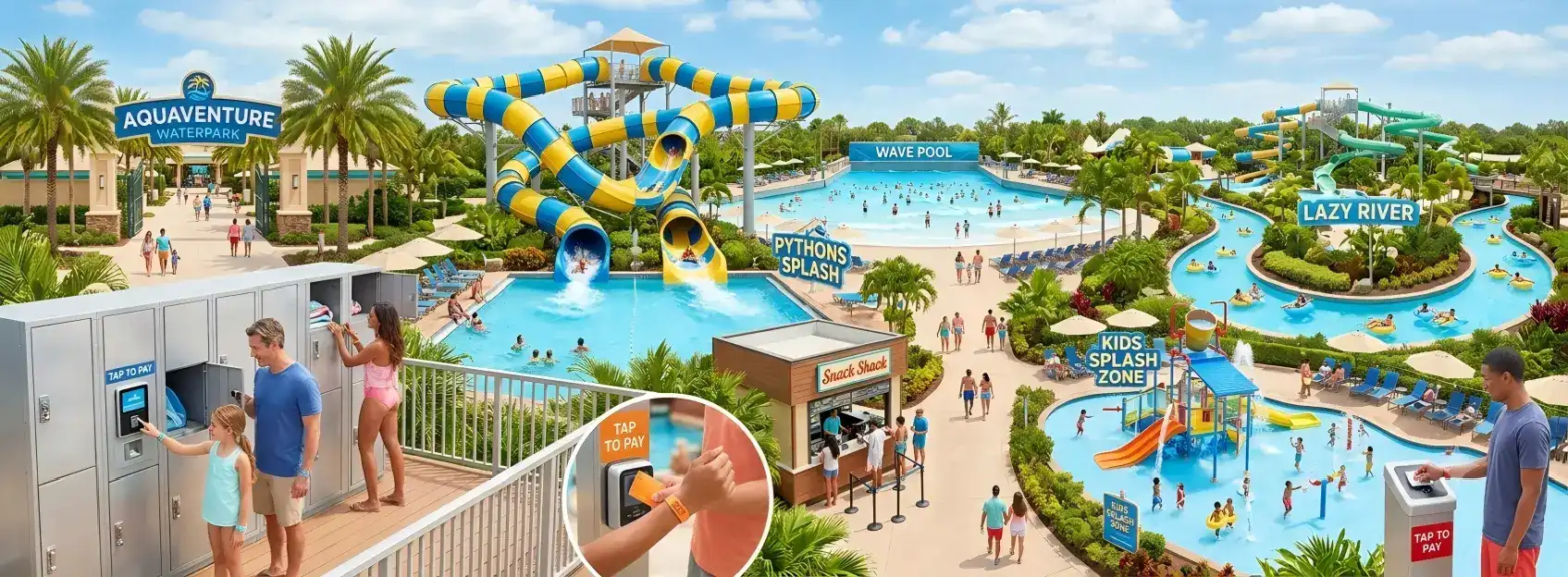
Practical Guide: Programming and Managing RFID Woven Wristbands
Great hardware doesn't mean much without good programming and system integration. To launch successfully, you need to know how to encode data and follow operational management rules.
Programming Process and Data Encoding
RFID Wristbands can be programmed with basic UIDs or customized data during manufacturing. Encoding systems use readers, writers, and software to store access, payment, or account information in designated memory areas. Batch programming with automated systems improves efficiency, reduces labor costs, and minimizes manual encoding errors before events.
Integration with Event Management Systems
Modern RFID systems work with full software platforms that handle registration, access control, payment handling, and data all from a single screen. Public APIs make it possible for popular event management systems like Eventbrite, Universe, and festival-specific platforms to work with RFID tags.
Integration usually works like this: the event management system creates a database that connects attendee records, ticket types, and bought entry levels to unique RFID Woven wristband UIDs. Readers set up around the venue can connect to this database and keep it in sync. When someone taps their wristband at an entry gate, the reader sends the UID to a local controller. The local controller then queries the database and sends back a decision within milliseconds about whether to let the person in or not.
Security Protocols and Data Protection
Payment-enabled wristbands require strong security measures, including encrypted stored values, controlled distribution, and protected access. AES-128 encryption safeguards personal and financial data, while secure key management prevents unauthorized access. Comprehensive audit trails record transactions and system activities, supporting accountability, dispute resolution, and security investigations throughout the wristband lifecycle.
Maintenance and Lifecycle Management
Reusable RFID Woven wristbands require proper maintenance, including gentle washing and air drying to protect materials and chips. Functional testing identifies damaged or faulty bands before reuse. Inventory systems track usage, returns, servicing, and retirement, helping optimize procurement decisions and evaluate the true lifecycle cost of reusable solutions.
Industry Trends and Future Prospects of RFID Woven Wristbands
What's possible with wearable RFID solutions is always changing as technology improves, giving early adopters chances to gain a competitive edge.
Market Growth and Adoption Patterns
The RFID wristband market has grown rapidly, driven by events, experiential marketing, and business applications. Music festivals, trade shows, and corporate events use RFID for access, lead tracking, and engagement analytics. Healthcare and wellness sectors are also adopting RFID wristbands for patient identification, asset management, service payments, and personalized experiences.
Technological Innovations on the Horizon
Future wristband innovations combine technologies like NFC, BLE, and BAP RFID to improve payment, tracking, and reliability in challenging environments. Sustainability advances focus on biodegradable materials, bio-based substrates, and printed antennas, aiming to create eco-friendly electronic wristbands that maintain functionality while supporting circular economy goals.
Strategic Implications for Procurement
Strategic procurement requires balancing innovation with operational stability through regular technology evaluations. Modular systems with open standards and backward compatibility protect existing investments while enabling upgrades. Pilot programs reduce adoption risks by identifying integration, user experience, and workflow issues before full-scale implementation, ensuring smoother technology transitions.
Conclusion
By mixing advanced identification technology with high-quality cloth construction, RFID Woven wristbands offer great value in a wide range of situations. For businesses that handle access control, payment systems, and tracking engagement, the strategic benefits—better security, operational efficiency, attendee satisfaction, and brand recognition—make the investment worth it. Understanding the technical needs, choosing reliable manufacturing partners, and following the right management and code rules are all important for a successful launch. As technology keeps getting better, keeping up with new features and keeping in touch with innovative suppliers will help your business take advantage of chances that will improve operations and set your products apart in crowded markets.
FAQ
1.What makes RFID woven wristbands more secure than traditional options?
A lot of different systems acting together makes security possible. The RFID Woven wristband has a unique number that keeps people from trying to copy it using cryptographic algorithms. One-way locking systems keep things from being taken off and used again, which is good for physical security. Visual security is built into the woven structure itself through complicated patterns that can only be made accurately with industrial equipment. This multi-layer approach makes it much harder to commit fraud than simple plastic bands or barcodes, which are easy to copy.
2.How long does custom ordering typically take?
Standard lead times are 10 to 14 days from the time an order is confirmed until it is shipped for configurations that use existing antenna designs and only need minor changes. Custom designs that are very complicated and need new weaving tools may make the time frame 18–25 days longer. With prototyping services, you can get usable samples faster—usually within seven working days. This lets you try fit, comfort, and technical performance before committing to full production amounts.
3.Can wristbands support multiple functions simultaneously?
Of course. Modern RFID chips have split memory structures that can store different kinds of data at the same time. A wristband can be used as an entry ticket, a payment wallet, a VIP pass, and a way to connect social media accounts all at the same time. Different parts of the chip's memory keep these functions logically separate. The UID connects everything in backend databases that manage rights and activities across all systems.
Partner with WS-RFID Technology for Your Woven RFID Wristband Needs
Premium fabric wristbands designed for performance and comfort can change the way your next event or facility runs. As a top company that makes RFID Woven wristbands, WS-RFID Technology has more than 15 years of experience and can make more than 500 million units every year. Our modern production plant has defect rates of less than 0.1% thanks to quality control systems that are automated and make sure that performance is always the same. Our engineering team gives you application-specific advice and rapid prototyping services, whether you need 13.56 MHz solutions for safe cashless payments or UHF configurations for fast crowd management. Customisation options like jacquard weaving, embroidery, and changeable data serialisation make branding experiences that are unique and memorable for guests. Standard shipping takes only 10–14 days, and prices are set directly by the plant, so there are no markups for distributors. Get in touch with our team at kenny@w-srfid.com to talk about your specific needs and ask for samples that show how our woven RFID solutions are comfortable, long-lasting, and technical, making them stand out in tough operational settings.
References
1. Smith, J. & Anderson, K. (2023). RFID Technology in Event Management: Implementation Strategies and ROI Analysis. Event Technology Press.
2. Martinez, L. (2022). "Wearable RFID Systems: Material Science and Antenna Engineering Principles." Journal of Applied Radio Frequency Engineering, 18(3), 142-167.
3. Thompson, R., et al. (2024). Supply Chain Security Through RFID Integration: B2B Procurement Best Practices. Industrial Technology Publishers.
4. Chen, W. & Roberts, P. (2023). "Comparative Analysis of Access Control Technologies in High-Density Venues." International Journal of Event Security Management, 12(2), 88-104.
5. European RFID Standards Consortium (2023). Technical Specifications for Textile-Integrated RFID devices: Compliance and Testing Protocols. ERSC Publication Series.
6. Davidson, M. (2024). The Future of Cashless Events: Technology Adoption Patterns and Consumer Behavior Analysis. Hospitality Research Institute.
Learn about our latest products and discounts through SMS or email