- English
- French
- German
- Portuguese
- Spanish
- Russian
- Japanese
- Korean
- Arabic
- Greek
- German
- Turkish
- Italian
- Danish
- Romanian
- Indonesian
- Czech
- Afrikaans
- Swedish
- Polish
- Basque
- Catalan
- Esperanto
- Hindi
- Lao
- Albanian
- Amharic
- Armenian
- Azerbaijani
- Belarusian
- Bengali
- Bosnian
- Bulgarian
- Cebuano
- Chichewa
- Corsican
- Croatian
- Dutch
- Estonian
- Filipino
- Finnish
- Frisian
- Galician
- Georgian
- Gujarati
- Haitian
- Hausa
- Hawaiian
- Hebrew
- Hmong
- Hungarian
- Icelandic
- Igbo
- Javanese
- Kannada
- Kazakh
- Khmer
- Kurdish
- Kyrgyz
- Latin
- Latvian
- Lithuanian
- Luxembou..
- Macedonian
- Malagasy
- Malay
- Malayalam
- Maltese
- Maori
- Marathi
- Mongolian
- Burmese
- Nepali
- Norwegian
- Pashto
- Persian
- Punjabi
- Serbian
- Sesotho
- Sinhala
- Slovak
- Slovenian
- Somali
- Samoan
- Scots Gaelic
- Shona
- Sindhi
- Sundanese
- Swahili
- Tajik
- Tamil
- Telugu
- Thai
- Ukrainian
- Urdu
- Uzbek
- Vietnamese
- Welsh
- Xhosa
- Yiddish
- Yoruba
- Zulu
What Are Eco Friendly Tickets? RFID Paper Ticket Technology Explained
By fusing environmentally friendly materials with cutting-edge RFID technology, Eco friendly tickets represent a game-changing innovation in event management. Instead of traditional plastic or non-biodegradable materials, these tickets are made from 100% recyclable paper. This helps solve the huge problem of waste that global events create. By using radio frequency identification chips that work at 13.56MHz (HF) or 860-960MHz (UHF) bands, these Eco friendly tickets offer the same level of security, access control, and data tracking as regular tickets while having a much smaller effect on the environment. This mix of technology and responsibility helps event organisers keep their ESG promises without slowing down operations.
Understanding Eco Friendly Tickets: Materials, Benefits & Mechanics
What Makes Tickets Environmentally Sustainable
Choosing the right materials is the first step toward making tickets that last. For tickets that can be recycled, FSC-certified fibres from forests that are handled carefully are used. Unlike standard tickets made from raw pulp or PVC plastics, these materials break down naturally in 90 to 180 days when they are left in the right conditions for composting. To print, water-based inks and plant-based colourants are used, which get rid of any harmful residues. Biodegradable laminates can be used instead of plastic coatings because they are more durable and don't harm the environment.
Many Eco friendly tickets now don't use any BPA or BPS at all. These hormone-disrupting chemicals are common in normal thermal tickets and can be harmful to your health if you come into touch with them. Gas chromatography testing has shown that phenol-free thermal paper has become the standard for receipts and transportation passes.
How RFID Technology Integrates With Paper Substrates
Eco-friendly RFID tickets integrate microchips and antennas within paper layers to enable secure event access and data management. HF and UHF technologies support different scanning needs, from close-range validation to large-scale crowd processing. Specialized paper treatments maintain signal performance, recyclability, and durability for automated ticket systems.
Environmental Impact Comparison
Using tickets the old way makes a huge amount of waste. About 375 kilograms of trash that can't be recycled is made by a single big music event giving out 50,000 plastic-coated tickets. When you add up the environmental impact of all those thousands of global events every year, it becomes clear. When properly thrown away through recycling streams, Eco friendly tickets cut this effect by 85%.
Carbon impact study shows more benefits. It takes 4.2 kg of CO2 equivalent per kilogram of material to make brand-new PVC tickets. When recycled paper is used, this amount drops to 0.9 kilograms per kilogram, which is 78% less. When you add up the emissions from transportation, distribution, and disposal at the end of the product's useful life, paper-based solutions clearly win.
The amount of water used during production also goes down a lot. Chemical processing for synthetic ticket materials needs long washing runs that use up to 300 litres of water per kilogram. Closed-loop water treatment methods used in paper recycling cut this to about 80 litres per kilogram.
Comparison and Decision-Making: Eco Friendly Tickets vs Traditional & Digital Tickets
Performance and Durability Assessment
It's only natural for procurement managers to wonder if paper tickets really work the same way as plastic ones in real life. Modern Eco friendly tickets can handle a lot of mechanical stress. Tensile strength tests show that the tear resistance is higher than 2.5 Newtons, which is good enough for repeated handling and automated processing. After 1,000 validator passes, abrasion testing against ISO 12625-11 standards shows that the material hasn't changed much.
Stability at temperatures between -20°C and +60°C means that outdoor events can happen in both winter and summer. Resistance to humidity keeps things from warping in damp places, but being submerged in water for a long time will weaken the structure. This is a fair price to pay for environmental benefits. Embedded RFID chips store data for more than ten years, which is many times longer than the average event timeline.
Digital tickets get rid of all physical waste, but they also bring new problems. Smartphone dependence makes it harder for people who don't use technology much to get what they need. Failures of batteries at event entry points are annoying and slow down processing. Systems that are only digital are vulnerable to infrastructure failures because they need to be connected to a network. Eco friendly tickets are a safe backup choice that can be used even if there is no electricity or cell service.
Security Features and Anti-Counterfeiting
Fake tickets cost a lot of money and put people's safety at risk. RFID technology built into Eco friendly tickets provides multiple levels of security. Each chip has a unique number that was programmed into it during production and can't be copied with regular printing tools. Encrypting data with AES-128 or higher standards stops unauthorised changes.
Visual security features go along with electronic security. Holographic foils that are put on using heat transfer methods make visual effects that are hard to copy. Counterfeiters who use consumer-grade equipment can't see microtext printing with resolutions below 0.1 millimetres. At venue checkpoints, UV-reactive inks show hidden patterns when exposed to UV light.
Traditional paper tickets only have visual security, which is easy for skilled counterfeiters to get around. Even though plastic cards with magnetic lines are somewhat safer, they can still be skimmed. Eco friendly tickets offer enterprise-level protection in a package that is good for the environment.
Cost Analysis for Large-Scale Deployment
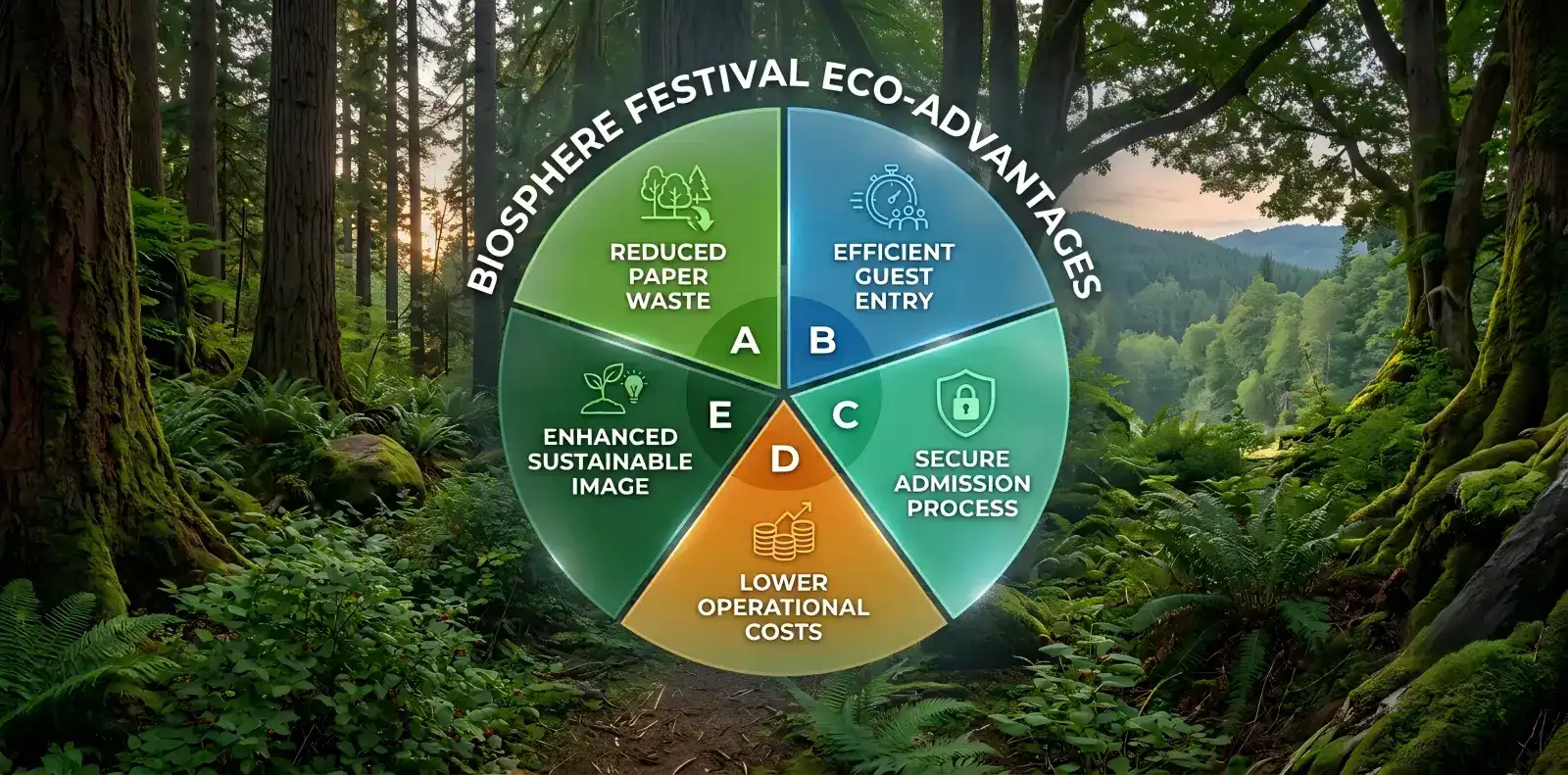
Eco-friendly tickets may have higher initial costs, but bulk purchasing reduces the price gap. Lower waste disposal expenses, stronger brand reputation, improved customer satisfaction, reduced staffing needs through RFID automation, accurate attendance tracking, and cashless payment integration help create long-term operational and financial benefits.
Procurement Guide: How to Source and Order Eco Friendly RFID Paper Tickets
Identifying Qualified Suppliers
Qualified supplier selection requires verifying certifications, production capacity, and technical expertise. Standards such as ISO 9001:2015, ISO 14001, RoHS, and REACH ensure quality and safety. Reliable manufacturers should demonstrate large-scale output, low defect rates, customization capabilities, and technical support to ensure successful RFID ticket deployment and system integration.
Customization Options and Specifications
The standard CR80 size (85.6mm × 54mm) works for most uses, but special sizes can be made to fit specific marking needs. The shape of the ticket itself becomes part of the design. For example, rounded corners, die-cut patterns, or larger forms make tickets look better while still being recyclable. Full-color offset printing makes complex graphics look like photographs. Screen printing adds things that you can feel, like logos that are raised or metallic accents.
Variable data printing lets you add names of attendees, unique QR codes, or barcodes that are printed in order. Customisations like these work perfectly with ticketing systems, which lets you manage your customers more effectively. Some methods for data storage are:
• Standard Chip Models: The NXP MIFARE Classic, Desfire EV3, and NTAG models all have different levels of protection and memory capacity. Fudan Microelectronics and Huada Electronics chips are cheaper options for projects that need to stick to a budget while still working with the same protocols.
• Memory Configuration: You can pick between read-only identifiers for basic access control and read-write memory, which lets you change data on the fly during events. Write-once functionality lets personalised information be encoded after the fact.
• Security Parameters: Choose the level of encryption that fits your risk tolerance. When it comes to security, financial applications need more than general admission scenarios.
Before placing large orders, samples should be looked at. Reliable providers offer pre-production samples that show the quality of the material, the accuracy of the print, and how well the RFID works. Test these samples with your real gate equipment in real-life situations, such as hot, humid outdoor settings, quick scanning sequences, and edge cases like tickets that are only partially damaged.
Real-World Procurement Success Stories
In 2023, a big music event in North America switched to Eco friendly tickets that were better for the environment. Together with their supplier, they made 75,000 units that were unique by adding full-color artist graphics and NFC chips that let people pay without cash. Over the course of four days, 99.7% of scans were successful, and guests praised the environmentally friendly approach on social media. After the event, waste audits showed that 94% of the tickets went into recycling streams instead of landfills.
Corporate meeting planners have to deal with a number of issues. Eco friendly tickets with RFID access control and printed QR codes for session tracking were used at a technology summit for 12,000 professionals. With the dual-format approach, different venues' equipment could be used while environmental goals were still met. The total cost of implementation was 8% higher than with traditional badges, but the lower staffing needs at the registration desks and session entrances made up for it.
The most difficult use case is theme parks, which need tickets that can be used every day for months on end. A regional amusement park used reinforced paper substrates with protective overlaminates to make Eco friendly tickets. During the summer, each pass user went 23 times on average, and renewal rates were less than 3%, which is about the same as with plastic passes. The park's marketing team used this sustainability initiative in their advertising, which helped bring in 6% more people than the previous year.
Why Choose RFID Paper Eco Friendly Tickets? Value and Future Outlook
Operational Advantages for Event Management
RFID event tickets improve operations through real-time data collection, crowd monitoring, and faster entry management. They help reduce queues, prevent overcrowding, and enable cashless payments through NFC integration. Lost tickets can also be quickly replaced through database verification, improving customer experience and reducing staff workload during busy events.
Environmental, Social, and Governance Alignment
Sustainability commitments made by companies are having a bigger effect on buying decisions. There is pressure on procurement departments to cut down on emissions in the supply chain and show they care about the environment. Eco friendly tickets has an effect that can be measured for ESG reports. Metrics that can be measured include:
• Waste Diversion: To figure out how much trash was diverted from landfills and how much was recycled, use data from past events. When 50,000 people at a meeting switch from plastic badges to paper ones, about 340 kilograms of trash are kept out of landfills.
• Carbon Reduction: Use standard evaluation methods, such as ISO 14040, to show how much carbon emissions were saved over the course of a product's life. Verification by a third party gives sustainability claims more weight.
• Resource Conservation: List the amounts of water and energy that were saved during production compared to making something from scratch. Stakeholders who are judging environmental performance will find these numbers useful.
Environmental metrics are only one part of social responsibility. Ethical paper sourcing helps to keep forests healthy, which protects biodiversity and the rights of indigenous people to the land. When supplier lines are clear, fair labour practices are used throughout the whole production process. These things are in line with the Sustainable Development Goals of the United Nations, which is good for the company's image with customers who care about social issues.
Emerging Trends and Technology Evolution
New materials from the next wave offer better performance. Researchers are making cellulose-based composites with leftover materials from farms, like bamboo fibres or wheat straw. These Eco friendly tickets make us less reliant on pulp from trees while keeping the same structural properties. As production processes get bigger, it should be available to buy within three years.
Passive RFID tags that are powered by batteries are another step forward. Ultra-low-power batteries let you read up to 30 meters away while keeping the same paper form factors. This technology works well for large outdoor events where setting up infrastructure can be hard. Battery science uses chemicals that are safe for the environment and can be recycled.
Using blockchain adds another level of security. With distributed ledger technology, records of when tickets are issued, transferred, and redeemed can't be changed. This openness gets rid of fraud on the secondary market and makes peer-to-peer transfers safe. Smart contracts make it easy to get royalties when tickets are sold for more than their face value. This gives artists and event organisers new ways to make money.
The market demand keeps going up. According to the Global Sustainable Events Market Report, the market will grow by 23% each year until 2030. This growth will be caused by government rules and customer tastes. Many types of plastic tickets are already illegal in the EU because of the Single-Use Plastics Directive. This means that new Eco friendly tickets must be found. Similar laws are being pushed through North American governments, which means that urgent procurement needs exist.
How to Identify Genuine Eco Friendly Tickets: Key Traits and Certifications
Material Verification Methods
Material verification methods help confirm ticket composition and recyclability. Visual inspection identifies fibre texture and transparency differences, while water absorption tests quickly distinguish untreated paper from plastic-coated materials. Burn tests, used only on approved samples, can further verify material composition by comparing the burning characteristics of natural fibres and synthetic components.
Recognized Certification Standards
Recognized certifications verify environmental and safety claims for RFID tickets. FSC and PEFC confirm responsible forestry, while Cradle to Cradle evaluates sustainability across multiple areas. ASTM D6400 and EN 13432 ensure compostability standards. RoHS and REACH regulate hazardous substances, supporting safer materials and protecting human health and the environment.
Supplier Transparency and Verification
Reliable suppliers support audits, provide factory transparency, and share technical documentation on materials and processes. Third-party testing verifies performance claims such as read range and durability, reducing procurement risks. Sample retention systems help maintain production consistency and enable future quality comparisons, demonstrating long-term accountability and commitment to product reliability.
Conclusion
The use of sustainable RFID paper tickets brings together caring for the environment and technological progress. These Eco friendly tickets help companies meet their ESG goals while also reducing waste, making operations more secure, and improving operational efficiency. As pressure from regulators grows and consumers change their tastes toward more environmentally friendly choices, using Eco friendly tickets that can be recycled goes from being a competitive advantage to an industry necessity. The technology is no longer just an idea; it has been tested and shown to work well in a wide range of settings, from music festivals to public transport. Now, organisations that care about the environment can easily and cheaply find alternatives that get rid of the false choice between functionality and sustainability. Strategic procurement of Eco friendly tickets positions forward-thinking enterprises at the forefront of the responsible events movement while maintaining the technical capabilities modern operations demand.
FAQ
1.What Exactly Are Eco Friendly Tickets?
Eco friendly tickets are access control items that are made from biodegradable substrates, compostable materials, or recyclable paper instead of traditional plastics. When combined with RFID technology, they put microchips and antennas inside layers of paper, which allows for electronic identification and data storage while still protecting the environment. When these tickets are thrown away, they break down naturally, which gets rid of chronic waste while still working the same way as regular tickets.
2.How Long Do RFID Paper Tickets Remain Functional?
Embedded RFID chips can store data for more than ten years under standard storage settings. When kept properly, the paper substrate keeps its structural stability for 12 to 18 months, which is a lot longer than most event timelines. Extreme temperatures of -20°C to +60°C don't affect how well chips work. Moisture exposure should be kept to a minimum, but short exposure during outdoor events doesn't hurt performance.
3.Can These Tickets Work With Existing Gate Systems?
Yes, Eco friendly tickets are compliant with international standards like ISO/IEC 14443 (HF) and EPC Gen2 (UHF), which means they can be used with most entry control systems. Most venues don't need any changes to the hardware. Reader software needs to be configured differently to work with new ticket forms in systems that are already in place. Before full deployment, compatibility is checked in the field during sample evaluation.
4.Are Sustainable Tickets More Expensive Than Traditional Options?
For small sales, material costs are 15–20% higher, but when you buy more than 100,000 units, the prices are back to normal. Total ownership costs are better for Eco friendly tickets when you consider lower fees for getting rid of waste, better brand image, and more efficient operations thanks to RFID automation. After the first big event, many companies reach cost parity or even save money.
Partner With WS RFID for Certified Sustainable Ticketing Solutions
WS RFID Technology has been making RFID paper tickets that meet the top standards for performance and the environment for 15 years. Our Eco friendly tickets ticketing options are made from 100% recyclable paper substrates that are certified to FSC standards. They are made in a facility that is ISO 9001:2015 certified and strictly follows RoHS, REACH, and POPS compliance. We handle both 13.56MHz HF and 860-960MHz UHF bands, and our defect rate is always less than 0.5%. Every year, we send 500 million units to Fortune 500 clients around the world.
As a direct manufacturer that offers full OEM/ODM services, we cut out the middleman and offer full customisation, from choosing the chip and tuning the antenna to full-color printing and variable data encoding. Our Field Application Engineers help with integration by hand and with SDK instructions and making sure deployments run smoothly. Standard delivery takes between 5 and 7 days from the time we receive your order, but we can speed up production if you need it right away. Sample testing makes sure of the quality and performance of the material before it is committed to production. 1-2 year guarantees back this up.
Connect with our technical team to discuss your specific event requirements. Contact kenny@ws-rfid.com to request samples, technical specifications, and volume pricing from a trusted Eco friendly tickets supplier committed to advancing sustainable event technology without compromising operational excellence.
References
1. International Organization for Standardization. "ISO 14040:2006 - Environmental Management - Life Cycle Assessment - Principles and Framework." Geneva: ISO Publishing, 2006.
2. Event Safety Alliance. "Contactless Technology and Cashless Payments in Live Events: A Technical and Economic Analysis." Carnegie Mellon University Event Management Program, 2022.
3. Forest Stewardship Council. "FSC Chain of Custody Certification: Standards and Guidelines for Responsible Paper Sourcing." Bonn: FSC International, 2021.
4. Zhang, H., Kumar, S., and Patel, R. "Comparative Environmental Impact Assessment of Ticket Media for Mass Transit Applications." Journal of Sustainable Transportation Technology, Volume 18, Issue 3, 2023, pp. 245-267.
5. European Union. "Directive (EU) 2019/904 on the Reduction of the Impact of Certain Plastic Products on the Environment." Official Journal of the European Union, June 2019.
6. Chen, L. and Morrison, K. "RFID Technology Integration in Biodegradable Substrates: Performance Evaluation and Lifecycle Analysis." IEEE Transactions on Sustainable Computing, Volume 9, Issue 2, 2024, pp. 112-128.
Learn about our latest products and discounts through SMS or email