- English
- French
- German
- Portuguese
- Spanish
- Russian
- Japanese
- Korean
- Arabic
- Greek
- German
- Turkish
- Italian
- Danish
- Romanian
- Indonesian
- Czech
- Afrikaans
- Swedish
- Polish
- Basque
- Catalan
- Esperanto
- Hindi
- Lao
- Albanian
- Amharic
- Armenian
- Azerbaijani
- Belarusian
- Bengali
- Bosnian
- Bulgarian
- Cebuano
- Chichewa
- Corsican
- Croatian
- Dutch
- Estonian
- Filipino
- Finnish
- Frisian
- Galician
- Georgian
- Gujarati
- Haitian
- Hausa
- Hawaiian
- Hebrew
- Hmong
- Hungarian
- Icelandic
- Igbo
- Javanese
- Kannada
- Kazakh
- Khmer
- Kurdish
- Kyrgyz
- Latin
- Latvian
- Lithuanian
- Luxembou..
- Macedonian
- Malagasy
- Malay
- Malayalam
- Maltese
- Maori
- Marathi
- Mongolian
- Burmese
- Nepali
- Norwegian
- Pashto
- Persian
- Punjabi
- Serbian
- Sesotho
- Sinhala
- Slovak
- Slovenian
- Somali
- Samoan
- Scots Gaelic
- Shona
- Sindhi
- Sundanese
- Swahili
- Tajik
- Tamil
- Telugu
- Thai
- Ukrainian
- Urdu
- Uzbek
- Vietnamese
- Welsh
- Xhosa
- Yiddish
- Yoruba
- Zulu
Are NFC anti metal epoxy tags waterproof and durable?
Yes, industrial-grade NFC anti metal epoxy tags are both waterproof and highly durable. These specialized identification solutions feature IP68-rated encapsulation that protects internal components from moisture, dust, and corrosive chemicals. The industrial epoxy resin construction resists physical impact, temperature extremes, and electromagnetic interference, ensuring reliable performance on metal surfaces where standard tags fail. This combination of waterproof sealing and rugged materials makes them ideal for demanding industrial environments.
When your warehouse manager scans metal equipment in a rainy loading dock, or when your technician checks asset tags on machinery exposed to coolant spray, you need identification technology that won't quit. That's the reality driving demand for anti-metal NFC solutions with verified environmental protection.
What Are NFC Anti-Metal Epoxy Tags?
Core Technology Explained
NFC anti-metal epoxy tags are a special kind of near-field communication device that was made to work with sensitive surfaces without getting messed up by electromagnetic waves. When standard NFC tags are put on metal, the signal gets very weak because the metal creates eddy currents that soak up radio frequency energy. Between the antenna coil and the mounting surface of these high-tech tags is a ferrite shielding layer that is usually 0.1mm to 0.5mm thick. This material with a high permeability moves the magnetic field away from the metal, which lets people talk at the usual 13.56MHz frequency without any problems.
It's not just the protecting technology that counts, but also the material used to surround it. RF-transparent security comes from industrial-grade epoxy resin, which means it doesn't get in the way of signal transfer while providing excellent mechanical protection. When the epoxy dries, it forms a finish that looks like glass and is completely clear, so full-color printing and marking can be done below the protected layer.
How Anti-Metal Shielding Works
As a magnetic flux collector, the ferrite layer does its job. The ferrite pulls the alternating magnetic field away from the metal substrate and back toward the reader's antenna when an NFC reader makes contact. The metal can't short-circuit the magnetic connection between the tag and reader because of this change. As a result, read ranges are steady between 1 and 10 cm, based on reader power and tag antenna size. This is as good as or better than NFC tags that aren't made of metal.
The chip technology inside these tags follows ISO/IEC 14443 standards, which means they will work with billions of NFC-enabled smartphones around the world. Basic NTAG213 chips have 144 bytes of storage space, while NTAG216 chips have 888 bytes. This gives users a choice of uses, from simple identification to keeping detailed records for maintenance.
Advantages Over Conventional Solutions
Using epoxy-encapsulated solutions is better in many ways than using silicone-encased tags or regular sticky stickers. The stiff resin structure keeps the antenna's shape even when it's under stress, which stops detuning that hurts read performance. The smooth, non-porous surface doesn't let oils, solvents, and dust that are common in industrial settings get on it. Epoxy tags don't fade or peel as printed labels do; they stay clear and stick to anything they touch.
Epoxy is more waterproof than foam-backed options because it doesn't have any gaps in the material where water can gather. This full sealing against the environment makes it more reliable to use in a wide range of situations, from tracking outdoor structures to identifying food processing equipment.
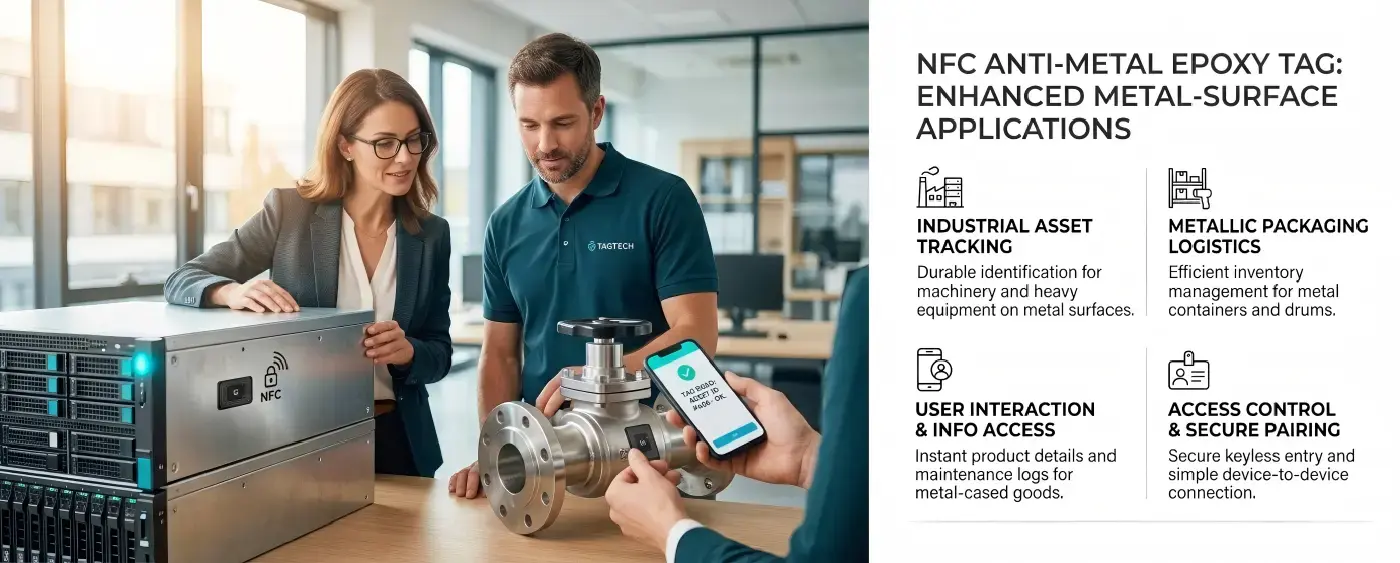
Are NFC Anti-Metal Epoxy Tags Waterproof?
IP68 Protection Rating Explained
The highest level of water protection set by the International Electrotechnical Commission is IP68 approval (IEC 60529 standard). The first number, 6, means that there is full safety against dust entry—no particles can get inside. The second number, 8, means that the product is protected against continued submersion below 1 meter. In industrial settings, this means that NFC anti metal epoxy tags will always work even if they are washed under high pressure, put in chemical baths, or left out in the weather.
Precision molding techniques are used in our manufacturing process to achieve IP68 protection. The epoxy resin surrounds the antenna, chip, and ferrite layer completely, leaving no gaps or places where the layers can separate. When the epoxy cures, it forms molecular links with the material. This makes a single structure instead of layers that could let water in.
Sealing Technology and Material Science
The industrial-grade glue mixtures used in these tags don't absorb water easily. Even after being in water for a long time, the physical stability stays within safe limits for RF performance. The epoxy keeps its dielectric qualities over a wide range of humidity levels. This stops frequency changes caused by moisture that would make transmission less reliable.
The waterproofing is also helped by the sticky backing. High-quality 3M 300LSE or VHB adhesives stick metal surfaces together without letting water in from the mounting interface. This layer of glue can handle temperatures from -25°C to +85°C without losing its stickiness or letting water through.
Real-World Performance Validation
Corrosion resistance in marine and chemical processing settings has been proven through salt spray testing that was done over 48- to 96-hour rounds. These fast age tests act like years of use to make sure that neither the ferrite layer nor the antenna lines break down. UV aging tests show that the epoxy stays clear and strong even after being in the sun for a long time, so it doesn't turn yellow or crack on the surface, which could compromise waterproof seals.
Companies that use these tags on outdoor utility structures, cold chain containers, and food processing equipment say they have never had a problem with waterproofing. The choice of materials, careful making, and testing to make sure they work right all work together to make sure they work reliably in wet places where other identification methods fail.
Durability of NFC Anti-Metal Epoxy Tags: What You Need to Know
Mechanical and Chemical Resistance
In addition to being waterproof, industrial durability means being able to handle the physical harm that is common in transportation and manufacturing. The solid resin surface can handle being hit by tools that are dropped, worn down by moving materials, and shaken up while being transported. Testing for impact strength shows that NFC anti-metal epoxy tags still work after being dropped from more than 2 meters onto concrete.
Chemical resistance includes alcohols, mineral oils, weak acids, and alkaline cleaners that are used in industrial hygiene. The epoxy mixture doesn't soften or crack when it comes in contact with these things, so it keeps its safe quality and good looks. When strict cleaning rules must be followed, this chemical stability is very important in industries like making medicines, cars, and medical devices.
Temperature Performance and Longevity
Temperature ranges from -25°C to +85°C allow for use in places like cold storage rooms and engine compartments. The ferrite material and antenna lines keep their electrical properties across this range, so the read performance stays the same no matter what the environment is like. Thermal cycling tests show that changing temperatures over and over again doesn't cause cracks or delamination.
When installed correctly, the expected service life is more than 10 years, and most makers give warranties that cover you for one to two years. The EEPROM memory inside NFC chips can handle more than 100,000 write cycles, which means that data can be updated continuously throughout the tag's useful life without slowing it down.
Reprogrammability and Long-Term Value
NFC anti metal epoxy tags can be programmed in the field using standard smartphones or handheld readers, which is different from passive barcode labels. With this feature, businesses can change details about assets, like maintenance plans or who owns them, without having to replace the physical tags. When you combine longevity with data flexibility, you get a lower total cost of ownership than with disposable identification methods.
Longevity is affected by things like properly cleaning the surface before installation, using the right glue for the base material, and keeping it safe from extreme mechanical damage that goes beyond what was planned. When used according to the manufacturer's instructions, these tags provide accurate identification for as long as the items they track are useful.
Benefits and Applications of NFC Anti-Metal Epoxy Tags in Industry
Operational Advantages Across Sectors
Because they are waterproof and can be used with metal, NFC anti-metal epoxy tags solve important problems in many fields. Manufacturing companies can see all of their assets by putting labels on machines, molds, and tools that can last in harsh production settings. Logistics companies keep track of metal containers, pallets, and handling equipment as they travel by different types of vehicles and don't lose data due to exposure to the elements.
Healthcare facilities benefit from tags that can be read reliably even after being sterilized many times on surgical tools. The biocompatible epoxy and chemical protection make sure that the medical gadget follows the rules. Pharmaceutical supply lines use these tags to check for fakes and keep an eye on metal-packaged goods during the cold chain.
Some of the major benefits that are driving acceptance are the elimination of mistakes caused by typing in data by hand, accurate inventory in real time, and automatic scheduling for upkeep. The ability to quickly access history, specs, and repair records for devices through a smartphone scan changes how efficiently things are run.
Industry-Specific Applications
These tags are put on metal showcases, security gates, and stocking carts by clothing and retail stores. This makes smart store infrastructure management possible. The clear, eye-catching look of crystal-clear resin with custom printing upholds brand presentation standards while providing useful tracking features.
Anti-metal NFC tags are used on parts of vehicles, parking structures, and maintenance tools by transportation systems. The tags can stand up to road salt, high temperatures, and vibrations, and they can be used right away for fleet control and preventative maintenance.
Industrial manufacturers put tags directly into metal products while they are being put together. This creates permanent digital identities that can be used to track quality and manage warranties. The tags are built into engines, electronics housings, and structural parts, which makes it possible to watch their entire lifetime, from production to recycling at the end of their useful life.
Customization and Integration Opportunities
OEM clients use custom printing, serialization, and encoding services to make it easy for these tags to work with their current asset management systems. Laser engraving offers lasting marking choices for uses that need to be safe. Designs that are as small as 8 mm in diameter can be used in installations with limited space while still providing good read performance.
Enterprise deployments can save money by using bulk buying plans. Custom orders are delivered within 10 to 12 days with fast-track production processes, which helps with rapid deployment plans. Technical integration support includes SDK instructions, system optimization advice, and help with field testing to make sure the application goes well.
How to Choose the Best NFC Anti-Metal Epoxy Tag for Your Business
Critical Selection Criteria
When making a purchase choice, you should look at more than just the basic waterproof and anti-metal specs. The read range needed depends on how the device is used. Handheld scanners don't need as long of a range as conveyor-mounted readers do. Memory must be big enough to hold all the data that is currently needed and enough space for future growth to add more tracking factors.
Dimensions affect how things can be mounted and how they look when they're integrated. Smaller designs work better for tracking jewelry and identifying small tools, while larger forms read larger assets more quickly. The adhesion strength needs to match the substrate material. For example, textured surfaces need different adhesives than smooth metal.
Compliance with certification affects the ability to deploy. RoHS and REACH approval ensures that environmental rules are followed for spread around the world. For European markets, the CE mark confirms that the product is electromagnetically compatible. Depending on the application area, certifications specific to the industry may be needed, such as FDA compliance for medical products.
Comparing Tag Types and Technologies
NFC anti metal epoxy tags are not the same as silicone-encased tags in a number of ways. Epoxy has better resistance to wear and maintains tighter tolerances for size, which makes RF performance more consistent. Silicone is more flexible and can absorb more impact, which makes it useful in situations where the substrates are vibrating or bending a lot.
Standard adhesive tags that don't have ferrite protection are less expensive, but they don't work at all on metal surfaces. The higher price for anti-metal technology is worth it because it can be mounted on anything and doesn't need to be stocked with special items for each purpose. UHF RFID tags can be read from farther away, but they are more expensive and can't tell which way is up. For item-level tracking, NFC options are better.
Supplier Evaluation and Partnership
To find reliable manufacturers, you need to look at their production skills, quality control methods, and expert help resources. Statistical process control and automated factories make sure that the quality of the products is the same for all big sales. Getting ISO 9001:2015 approval means that your quality management system is developed.
Look for suppliers who offer full testing records that include resonance frequency confirmation and read range benchmarking on different types of metal. Reporting the defect rate and guarantee terms in a clear way shows that you trust the product's trustworthiness. Field application building, integration help, and quick customer service should all be part of technical support.
Logistics skills are important for global procurement because they reduce supply chain risks by making sure that inventory is always available, order quantities can be changed, and lead times are known ahead of time. When it comes to time-sensitive deployments, suppliers who keep stock on hand respond faster than those who build to order.
Conclusion
NFC anti metal epoxy tags are waterproof and last a long time. They have been used reliably for industrial identification needs in transportation, healthcare, infrastructure, and industry. The IP68-rated epoxy coating and ferrite shielding technology work consistently on metal surfaces in tough settings where water, chemicals, and physical abuse would normally destroy other identification methods. These tags are useful because they can be used for more than 10 years, have memory that can be reprogrammed, and work with smartphones. They improve asset access, automate processes, and lower operational costs. Choosing high-quality products from seasoned makers guarantees a successful deployment and a long-term return on investment.
FAQ
1. Can NFC anti-metal epoxy tags withstand outdoor exposure?
Yes, tags with an IP68 rating can withstand being outside all the time in rain, snow, UV light, and temperatures ranging from -25°C to +85°C. The epoxy doesn't crack or yellow when exposed to UV light, so it keeps its safe quality and clear appearance. Testing with salt spray shows that NFC anti-metal epoxy tags don't rust in chemical and coastal settings. This means that they can be used to identify outdoor equipment, track infrastructure, and control utility assets.
2. What is the expected lifespan of these tags?
When placed correctly, anti-metal NFC glue tags usually work for more than 10 years. Over 100,000 write cycles are possible on the EEPROM memory to update data. The epoxy coating and ferrite layer keep their integrity for the lifetime of most industrial assets, but the physical durability depends on the environment and the amount of mechanical stress they are under. Manufacturers usually offer warranties that last between one and two years, but many deployments get much longer service terms.
3. Are these tags compatible with standard smartphones?
Yes, NFC anti-metal epoxy tags that work at 13.56MHz with ISO/IEC 14443 protocols can be used with any smartphone that has NFC capabilities, without the need for any special apps. Users only need to tap their phone on the tag to read the data it stores or start actions that have already been set up. This general flexibility supports a wide range of uses, from maintenance workers looking at records of equipment to customers checking the accuracy of a product. In many cases, this means that special scanning hardware is not needed.
Partner with WS RFID for Premium Anti-Metal NFC Solutions
Industrial-grade NFC anti metal epoxy tags made by WS RFID are made to work in the harshest environments. Our 10,000㎡ automatic factory makes more than 500 million units a year with a failure rate of less than 0.3%, so the quality of every order is the same. We have been making NFC anti-metal epoxy tags for over 15 years and have worked with Fortune 500 companies. We can completely customize your tags to meet your needs, including setting the antennas, making designs smaller, printing them in any way you want, and laser cutting them. Standard products are sent out within 5 to 7 days, and custom solutions are sent out in 10 to 12 days with full technical support from our field application engineers. Get in touch with kenny@w-srfid.com to talk about your asset tracking needs and ask for samples that show how committed we are to waterproof sturdiness and reliable performance on metal surfaces.
References
1. International Electrotechnical Commission. (2013). "Degrees of Protection Provided by Enclosures (IP Code)." IEC 60529 Standard, Edition 2.2.
2. NFC Forum. (2019). "NFC Forum Type 2 Tag Operation Specification." Technical Specification Document, Version 1.2.
3. Dobkin, D.M. (2012). "The RF in RFID: UHF RFID in Practice." Second Edition, Elsevier Publishing.
4. ISO/IEC. (2016). "Identification Cards — Contactless Integrated Circuit Cards — Proximity Cards." ISO/IEC 14443 Standard Parts 1-4.
5. Finkenzeller, K. (2010). "RFID Handbook: Fundamentals and Applications in Contactless Smart Cards, Radio Frequency Identification and Near-Field Communication." Third Edition, John Wiley & Sons.
6. Society of Automotive Engineers. (2018). "RFID Asset Tracking and Management Systems for Industrial Applications." SAE International Technical Paper J2947.
Learn about our latest products and discounts through SMS or email