- English
- French
- German
- Portuguese
- Spanish
- Russian
- Japanese
- Korean
- Arabic
- Greek
- German
- Turkish
- Italian
- Danish
- Romanian
- Indonesian
- Czech
- Afrikaans
- Swedish
- Polish
- Basque
- Catalan
- Esperanto
- Hindi
- Lao
- Albanian
- Amharic
- Armenian
- Azerbaijani
- Belarusian
- Bengali
- Bosnian
- Bulgarian
- Cebuano
- Chichewa
- Corsican
- Croatian
- Dutch
- Estonian
- Filipino
- Finnish
- Frisian
- Galician
- Georgian
- Gujarati
- Haitian
- Hausa
- Hawaiian
- Hebrew
- Hmong
- Hungarian
- Icelandic
- Igbo
- Javanese
- Kannada
- Kazakh
- Khmer
- Kurdish
- Kyrgyz
- Latin
- Latvian
- Lithuanian
- Luxembou..
- Macedonian
- Malagasy
- Malay
- Malayalam
- Maltese
- Maori
- Marathi
- Mongolian
- Burmese
- Nepali
- Norwegian
- Pashto
- Persian
- Punjabi
- Serbian
- Sesotho
- Sinhala
- Slovak
- Slovenian
- Somali
- Samoan
- Scots Gaelic
- Shona
- Sindhi
- Sundanese
- Swahili
- Tajik
- Tamil
- Telugu
- Thai
- Ukrainian
- Urdu
- Uzbek
- Vietnamese
- Welsh
- Xhosa
- Yiddish
- Yoruba
- Zulu
A Comprehensive Guide to Choosing the Right RFID Contact Card
To choose the right contact smart card technology, you need to know exactly what you need for operations, what security standards you need, and how well the technology can work with other systems. An RFID Contact Card is a form of identification that has physical chip contact points that meet ISO/IEC 7816 standards and safe data storage. It is perfect for places that need to verify identities reliably and control entry. Whether your company is in charge of business buildings, healthcare systems, or membership programs, these cards give you the protection and data integrity you need for important tasks. Procurement workers can make choices that are in line with long-term operational goals when they understand the technical details and real benefits.
Understanding RFID Contact Card Technology
What Defines a Contact Smart Card?
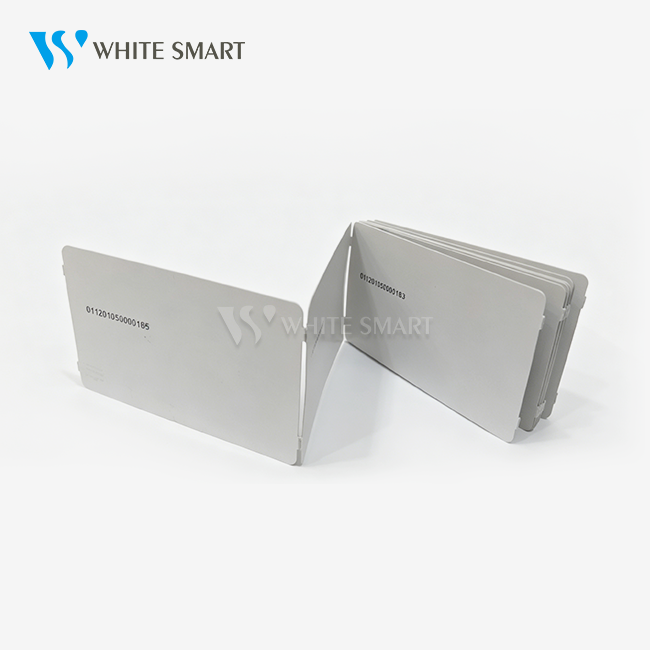
Contact smart cards require physical contact between the metal chip and reader electrical contacts. This direct link ensures stable data transfer even in electromagnetically noisy environments, unlike contactless credentials. The technology follows ISO/IEC 7816 standards, guaranteeing worldwide interoperability. Embedded chips contain secure EEPROM storage holding 1KB to 8KB data for biometric templates, access codes, or transaction records. Cards measure CR80 (85.5×54mm) and 0.76-0.84mm thickness, made from durable PVC, PET, or composite materials.
How Contact Technology Differs from Proximity Solutions?
Inserting a contact card into a reader creates a physical electrical connection powering the chip and enabling data transfer. This insertion method offers superior security since transmission interception is nearly impossible without direct card access. The contact interface performs complex cryptographic operations including DES, 3DES, and AES encryption required by government and financial security regulations. Proximity cards transmit wirelessly over short distances, creating security risks in high-security environments.
Core Components and Security Architecture
There is a cutting-edge microprocessor chip inside every RFID Contact Card that handles safe identification methods and encrypted data management. Chip makers like NXP, ATMEL, Fudan Microelectronics, and Huada Electronics offer tried-and-true options with built-in safety features. These chips have safe parts that keep private information from people trying to get to it from outside sources. This lets a single card handle things like controlling access, making payments, and verifying identity all at the same time. The gold-plated contact pads make sure that the electrical current stays strong even after a lot of use. They also protect against rust and wear. Cloning is not allowed because of anti-cloning features built into the chip architecture. This is very important for apps that handle sensitive data or financial activities. During tailoring, organizations can program unique identifiers and encryption keys. This creates a strong chain of custody from issuing to removing at the end of life.
Key Benefits and Use Cases of RFID Contact Cards
Enhanced Security for Sensitive Environments
Security is still the biggest benefit that drives growth across all fields. Mutual authentication between the card and reader is supported by contact smart cards. This means that both parties are checked out before entry is granted or transactions are carried out. This two-way verification stops "man-in-the-middle" attacks and makes sure that only credentials that are approved can connect to safe systems. Standards for encryption that meet the security needs of financial transactions keep saved data safe from being changed physically or listening in electronically. This technology is used to make sure that organizations that deal with private information stay in line with the rules. Examples include pharmaceutical companies that keep track of controlled drugs and government agencies that run classified areas. The need for direct touch adds an extra layer of security by limiting the range of operation to zero distance. This makes it impossible for hidden devices to be scanned without permission. When combined with biometric verification or PIN identification, contact cards create multi-factor security systems that make it much harder for people to get in without permission.
Operational Efficiency Across Industries
Contact smart cards automate credential management across business settings. Employees use single cards for building access, computer login, and secure printing. Schools issue campus cards enabling library access, meal payments, and attendance tracking through one platform. Healthcare facilities track staff credentials and patient wristbands. Event management processes attendee check-in with contact card systems. Membership organizations provide personalized services using these cards. Durability ensures reliable operation for years with proper handling, reducing replacement frequency.
Real-World Applications Demonstrating ROI
Contact card-based asset tracking systems improve logistics efficiency. Workers use encoded cards recording when and where they accessed tools, reducing theft and optimizing resource utilization. Industrial parks tracking high-value tool inventory use contact cards for equipment checkout. Financial institutions issue staff cards controlling access to vaults, computer rooms, and customer data terminals. Organizations report up to 80% reduction in administrative costs compared to manual systems. Investment typically recoups within six to eighteen months.
How to Choose the Right RFID Contact Card for Your Business?
Assessing Security Requirements and Compliance Needs
Before choosing a card platform, procurement workers need to decide what level of protection their application needs. Cards that allow advanced encryption and are certified to EAL (Evaluation Assurance Level) standards are needed in high-security areas like banking services or government buildings. These cards usually have more memory (4KB to 8KB) so they can handle complicated cryptographic processes and a lot of secure programs. Applications with less security, like simple access control, may work well with 1KB cards, which lowers the cost per unit while still providing enough security. Compliance rules are different depending on the business and location. For example, healthcare companies need to make sure that their apps are HIPAA-compliant, while payment apps need to be EMV certified. Choices are also affected by the environment. For example, buildings that are exposed to high temperatures or chemicals should use cards made of polycarbonate or ABS instead of normal PVC. Before hiring RFID Contact Card suppliers, businesses should write down their threat model, legal requirements, and working environment conditions. This way, they can make sure that the solutions they're offered are in line with their real security needs and not just generic ones.
Evaluating Memory Capacity and Data Management
Storage size is directly related to how complicated an application is and how easily it can be expanded in the future. A 1KB card is all that's needed for basic identification and controlling access to a single program. It can store a unique ID and basic access rights. If a business wants to set up multi-application settings that combine access control with identity verification or cashless payment, they should choose 4KB or 8KB cards so that they can handle more safe domains and bigger data structures. Specifications for data retention make sure that data is kept safe for at least ten years, and over 100,000 write/erase cycles support dynamic apps that change saved values often. When merging with business systems that are already in place, it's important that the new systems can work with the old databases and middleware. Cards should work with common memory and communication methods so that data can be sent easily between systems that personalize credentials, access control panels, and central management software. Knowing the whole process of data lifecycle—from initial encoding to operating changes and finally decommissioning—helps procurement teams choose cards that meet their information control policies and audit needs.
Balancing Cost, Customization, and Lead Times
Budget concerns go beyond the price of each card to include the total cost of ownership, which includes customization, encoding, reader infrastructure, and ongoing support. Manufacturers usually offer tiered pricing based on order quantities, which means that when you buy in bulk, you usually get big savings. Organizations should ask for thorough quotes that include the full cost of the job instead of just the prices of the parts. Full-color CMYK printing, logo integration, personalized encoding, and custom form factors are some of the customization choices that can improve brand exposure and user experience. However, they may make production take longer. Standard items usually get shipped within seven to ten working days. Custom orders, on the other hand, take ten to twelve days, based on how complicated they are. Rush production can handle operations that need to happen quickly within three to five days, but there are extra costs. When organizations work with makers that offer OEM and ODM services, they get access to engineering knowledge that helps them make the best cards for their readers and the situations where they are used. Long-term running costs are affected by warranty coverage, technical support responsiveness, and replacement policies in a big way. This is why service skills of a supplier are just as important as product specs when evaluating a seller.
Procuring RFID Contact Cards — Best Practices for B2B Buyers
Selecting Certified Manufacturers and Trusted Suppliers
Choosing the right RFID Contact Card supplier is very important for procurement success; only certified makers can provide consistent quality and solid support. Companies should give more weight to sellers who have ISO 9001:2015 quality management certification and environmental compliance qualifications like RoHS, REACH, and POPS. These approvals show that there are regular quality controls and that the products were made in a responsible way. Companies that have been making things for at least fifteen years usually have mature processes and a track record of success, which lowers the risks of implementation. When you work directly with OEMs, you skip the markups that come from middlemen and get access to engineering teams that can solve technology interface problems. When looking at different providers, make sure you get specific information about their production skills, such as the amount of automation, testing methods, and defect rates. The best makers keep their defect rates below 0.1% by checking each card thoroughly to make sure it works with encryption, memory, and electrical continuity. Site checks, which can be done in person or by a third party, make sure that the supplier's claims about the company's production capabilities are true and that the company meets business buying standards.
Negotiating Order Specifications and Customization
Specification documentation that is easy to understand keeps people from getting confused and makes sure that the goods provided meet business needs. Purchase orders should include information about chip types (naming brands like NXP or ATMEL), memory size, material make-up, printing requirements, and encoding needs. Companies that need unique artwork must give design files in vector forms that are color-matched to Pantone standards so that the artwork can be printed consistently. There are many types of encoding services, from simple ones like assigning a UID to more complex ones like complex personalizing that includes cryptographic key injection, access permission programming, and changeable data printing that connects physical cards to database records. Minimum order numbers range from 500 to 5,000 units for basic goods and from 1,000 to 10,000 units for fully customized solutions. These amounts depend on the provider and the level of customization. Lead time talks should take into account the time it takes for designs to be approved, samples to be tested, and full production runs. Setting up payment terms based on milestones, like a fee when the order is confirmed and the balance when the pre-shipment check is approved, protects both parties and encourages good delivery.
Ensuring Integration Support and Long-Term Partnership
How easily systems go from being bought to being used depends on how much technical help is available. Suppliers should give system developers a lot of information, like chip datasheets, memory maps, command references, and SDK development kits, so they can make their own apps. Field application engineers do remote integration checks to find compatibility problems early on. This keeps expensive delays from happening during the installation stages.
When providers offer pilot programs or sample testing, it helps organizations see how well cards work in real-world working settings before committing to full-scale orders. Post-deployment help includes a warranty that lasts for one to two years, instructions on how to replace broken units, and access to expert hotlines for fixing problems. As access control and identity management systems change, keeping in touch with card makers that can provide suitable cards for system updates protects the value of the investment and makes managing credentials over time easier. If you look at how responsive a provider was to your initial questions, you can get an idea of how good their ongoing support will be. Manufacturers that answer technical questions quickly and give accurate, thorough information usually keep up that level of service throughout the partnership.
Conclusion
To pick the best RFID Contact Card contact smart card, you have to think about your budget, your business needs, and your security needs. You also need to work with makers who can provide consistent quality and quick support. These cards are the effective way for modern businesses to keep track of people and grant them entry. They are used for a wide range of tasks, from keeping the workplace safe to keeping track of healthcare patients. Organizations can set themselves up to adopt credential systems that offer real efficiency gains and continued ROI by understanding the basics of technology, reviewing key selection criteria, and following best practices for buying. Spending money on good contact smart card technology pays off over a number of years by improving security, making operations run more smoothly, and lowering the cost of administration.
FAQ
1. What distinguishes contact cards from proximity cards in practical terms?
Contact cards have to be put into readers physically. This makes direct electrical links that allow for higher-security cryptographic operations and get rid of the risk of radio interception. Radio frequency data is sent over short distances by proximity cards. This is convenient, but it could make private applications less secure.
2. How long do contact smart cards typically last in daily use?Q
Quality contact cards that can be inserted over 100,000 times will work reliably for years, based on how often they are used. Data retention standards say that stored information must be kept intact for at least ten years. In business and university settings, properly maintained cards often last longer than this.
3. Can contact cards be customized with corporate branding?
Yes, makers do support CMYK printing in full color, adding logos, and custom encoding that connects cards to company identity systems. Customization choices include variable data printing, unique numbering patterns, and specialized form factors. These help businesses build their brand while still meeting their useful needs.
Partner with WS RFID for Your Contact Smart Card Needs
WS RFID offers industrial-grade contact smart card options. Their production sites are ISO-certified and they have been making high-quality products for fifteen years. Our wide range of products includes 1KB, 4KB, and 8KB versions that work with ATMEL, NXP, Fudan, and Huada chip systems. They are all in line with ISO/IEC 7816 standards and have been tested to meet RoHS, REACH, and POPS environmental standards. As a reliable RFID Contact Card maker, we offer OEM and ODM services that include fast prototyping, custom encoding, and full-color printing to make sure that your credentials are exactly what you need for your business. Normal production takes seven to ten days to deliver, but fast service is available for quick launches. Our engineering team provides full technical instructions, SDK support, and integration advice to make sure that release fits easily into your current setup. Get in touch with kenny@w-srfid.com right away to get samples, talk about customization options, and find out how our contact smart card solutions can improve your security design and lower your running costs.
References
1. International Organization for Standardization. (2018). ISO/IEC 7816: Identification cards — Integrated circuit cards. Geneva: ISO Press.
2. Finkenzeller, K. (2010). RFID Handbook: Fundamentals and Applications in Contactless Smart Cards, Radio Frequency Identification and Near-Field Communication (3rd ed.). Chichester: John Wiley & Sons.
3. Rankl, W., & Effing, W. (2010). Smart Card Handbook (4th ed.). Chichester: John Wiley & Sons.
4. European Payments Council. (2019). EMV Integrated Circuit Card Specifications for Payment Systems. Brussels: EPC Publications.
5. National Institute of Standards and Technology. (2020). Federal Information Processing Standards Publication 201-3: Personal Identity Verification (PIV) of Federal Employees and Contractors. Gaithersburg: NIST.
6. Guthery, S. B., & Cronin, M. J. (2002). Mobile Application Development with SMS and the SIM Toolkit. New York: McGraw-Hill Professional.
Learn about our latest products and discounts through SMS or email